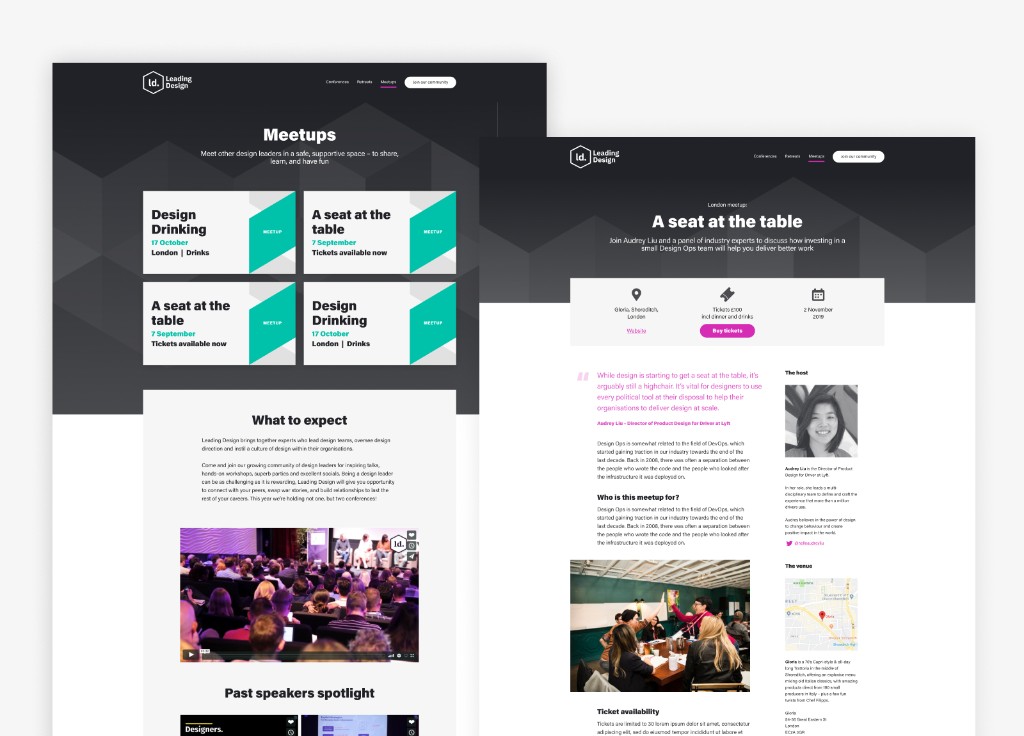
Leading Design
Role: Strategic design lead (systems architecture & operational strategy)
Goal: Transitioning a prestige brand from manual builds to a scalable, data-driven ecosystem
The success of this established brand had outpaced the systems holding it together. A single flagship conference had evolved into a sprawling portfolio of retreats, digital content, and regional summits, but the systems running it all were still largely manual and built one piece at a time. This project wasn’t about redesigning pages. It was about building the engine that could generate them.
The impact
- Removed the delivery tax By moving from tactical page-building to systemic logic, we removed the friction that was slowing the organisation’s expansion.
- Scaling with existing resources The platform supported a 3x increase in event offerings over four years - without a structural rebuild or additional technical hires.
- Freed the team to do better work By eliminating the manual slog of building repetitive assets, the team redirected effort toward higher-value community and strategic work.
The manual growth tax
Every new initiative meant a bespoke build from scratch. That cycle was creating recurring design debt and starting to affect delivery speed. Because nothing was connected, growth meant a constant increase in manual effort and technical support. It became clear we didn’t just need new layouts - we needed a relational infrastructure that would let the team launch new events without reinventing the wheel every time.
Shifting toward enablement
To fix the delivery bottleneck, I worked to align the design vision with the broader operational needs of the business. Rather than focusing on output, I led the team toward a more structured approach that would free up capacity for the work that actually mattered. By working closely with the operations director and key stakeholders, I helped position design as an enablement layer - shifting the team’s role from production to strategic partner, giving the events department the tools they needed to move faster on their own.
The new system saves our team so much time—we can now really focus on delivering value where it counts - in our amazing events!
— A. Cox, Events Director
Data-driven infrastructure
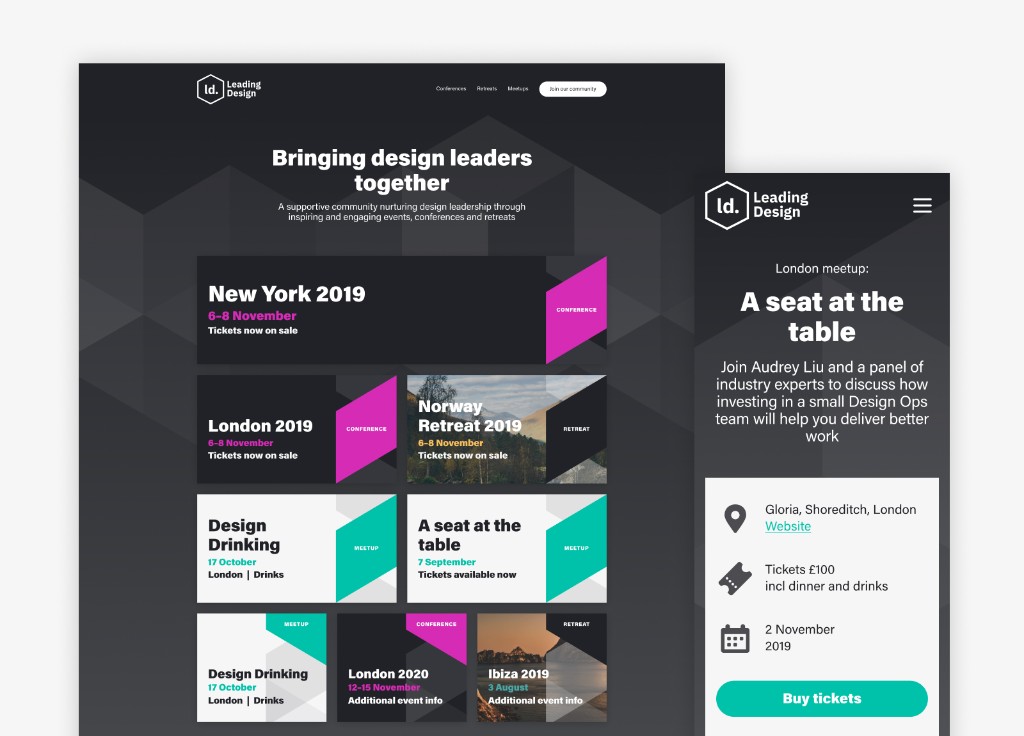
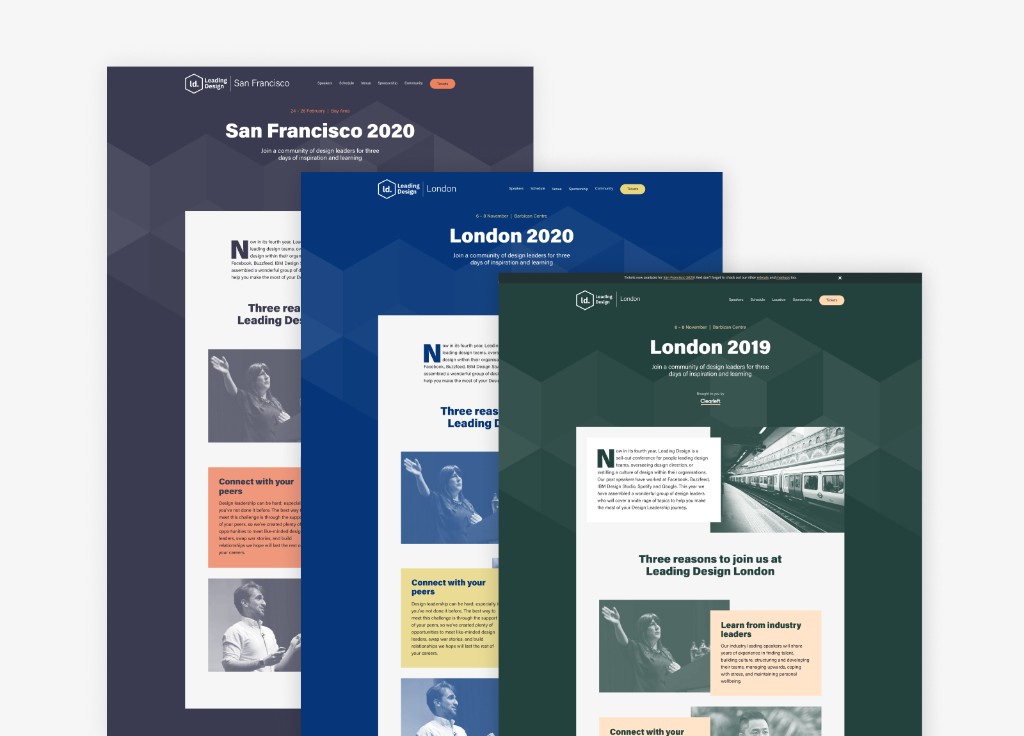
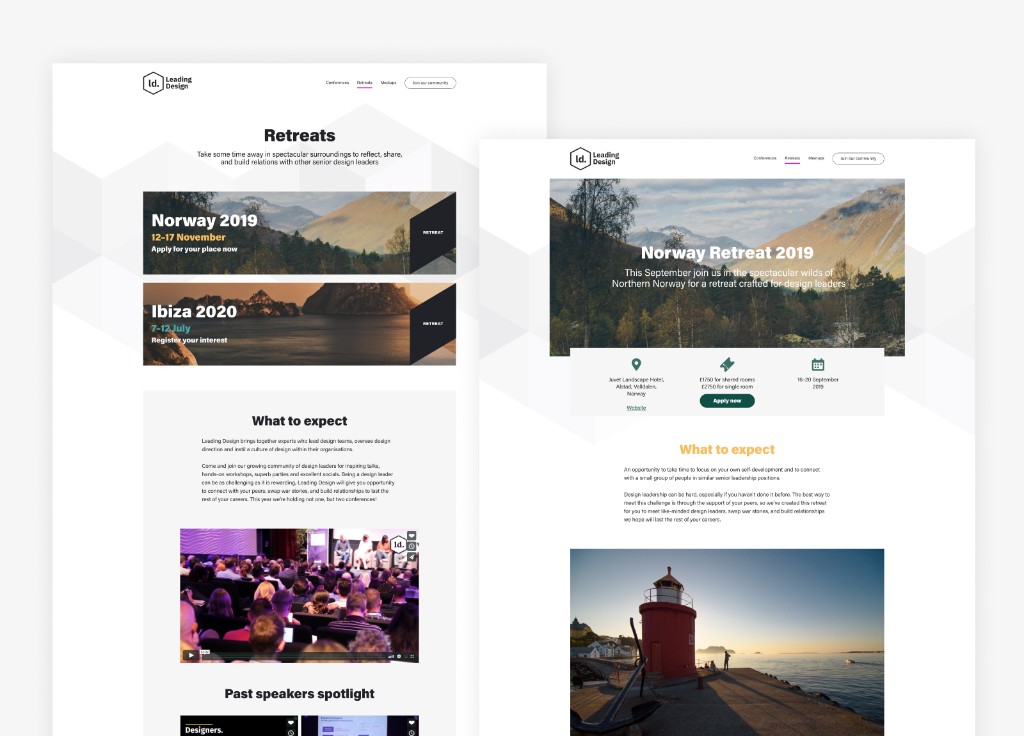
We replaced manual page-building with a flexible system built around logic and scale rather than static layouts. By treating content - events, speakers, locations - as modular data, the site now populates itself automatically across every touchpoint. Editorial teams can launch their own brand-compliant pages independently, without needing design sign-off every time, and the brand stays consistent throughout.
What did I do on this project?
- Led the shift from production to enablement Guided the transition away from a build-everything-manually model, bringing leadership along on the case for a more efficient, scalable approach.
- Positioned design as a strategic partner Reframed the redesign not as a cosmetic update but as a solution to a real operational problem - turning the new system into something the business could genuinely rely on.
- Built trust into the system Oversaw the creation of governance rules that protect brand integrity without needing constant manual oversight on every update.
- Defined the standards that allowed growth Helped define the technical and design standards that let the organisation grow its event portfolio significantly - without needing to grow the team alongside it.